Home » Is the grass greener? Exploring safer innovation in mental health doors
Discovering groundbreaking innovations
Exploring safer solutions for mental health environments.
“At 6:57pm on a Friday, a ligature alarm triggered again. Staff rolled their eyes.”
Not because of risk, but because of another false alert. The frustrated staff had required two callouts that quarter due to the frequency of alarms, alarm fatigue was setting in.
And for the estates manager, this is the part of the conversation that rarely makes it into tenders or board papers. The weight of accountability.
“If I change things and something goes wrong, that’s on me.”
The knowledge that if a door fails, if an alarm is missed, if a supplier does not answer the phone, it is not an abstract problem. It is personal.
We hear the same pattern across NHS trusts.
- Barricade stops that fail repeatedly and need replacing.
- Doors that look tired and institutional, undermining hard won work on therapeutic design.
- Alarm systems that trigger so often staff begin to mute them.
And when something does go wrong, it takes weeks of chasing just to get someone on site.
Over time, teams adapt. They manage around the problem. They absorb the friction. Because switching feels risky.
Too expensive.Too disruptive.Too much training.Too many unknowns.
And beneath it all: if this fails, it is my name on the report.
But there is another question worth asking.
What is the cost of not switching?
- What is the cost of false alarm fatigue when staff confidence quietly erodes?
- What is the cost of reactive callouts that pull estates teams away from strategic work?
- What is the cost of a ward environment that feels functional, but not dignified?
What is the cost of one avoidable incident investigation?
Sometimes the most expensive decision is the one that feels safest in the moment.
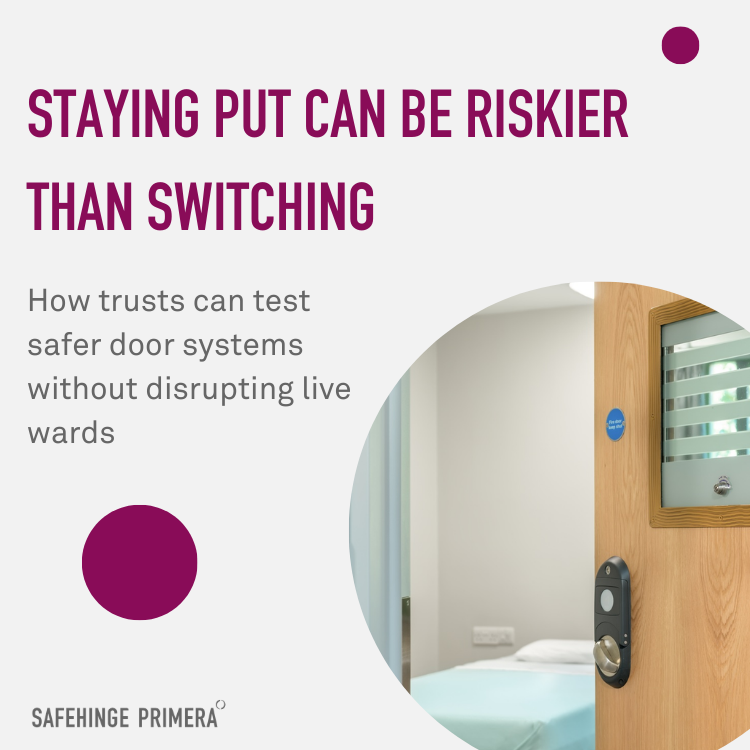
One trust we worked with faced this exact crossroads. Their existing system met basic compliance, but it created friction every day. After careful planning and a phased implementation, they replaced legacy hardware with anti barricade doorsets and integrated electronic locking.
The end result was not the feeling of disruption, but relief. Fewer reactive callouts. Greater staff confidence. A calmer ward atmosphere. A clearer line of sight between safety, dignity and long term cost control.
Exploring change does not have to mean absorbing more risk. Done well, it can mean sharing it. With clearer planning, defined responsibilities, and a provider who carries the operational weight, not adds to it.
The question is not whether switching feels uncomfortable. It is whether staying still feels more so.
So how do you explore change without putting your name on something you have not fully tested?
Not by signing off and hoping for the best, but by reducing the unknown before it ever reaches a live ward.
Get hands on and bring clinicians with you
One of the biggest barriers to changing doorset provider is fear of the unknown. And it is understandable. For many estates teams, the first time they truly encounter a new doorset is when it is already installed on a live ward. By then, the decision is made, the risk is real, and reassurance is hard to come by.
That uncertainty raises difficult questions.
How does the door actually function day to day How do we upskill teams without increasing riskAnd How does it really look and feel beyond the brochure images
Without clear answers, confidence is hard to build and peace of mind is even harder to find.
The simplest way to remove that uncertainty is to get in front of the doors themselves. Conferences and supplier visits can help, but they are rarely accessible to the wider trust and almost never to clinicians.
That is why we take the doors to you.
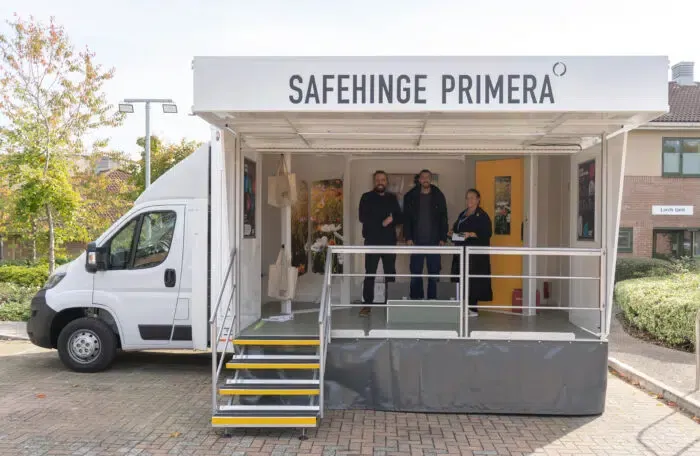

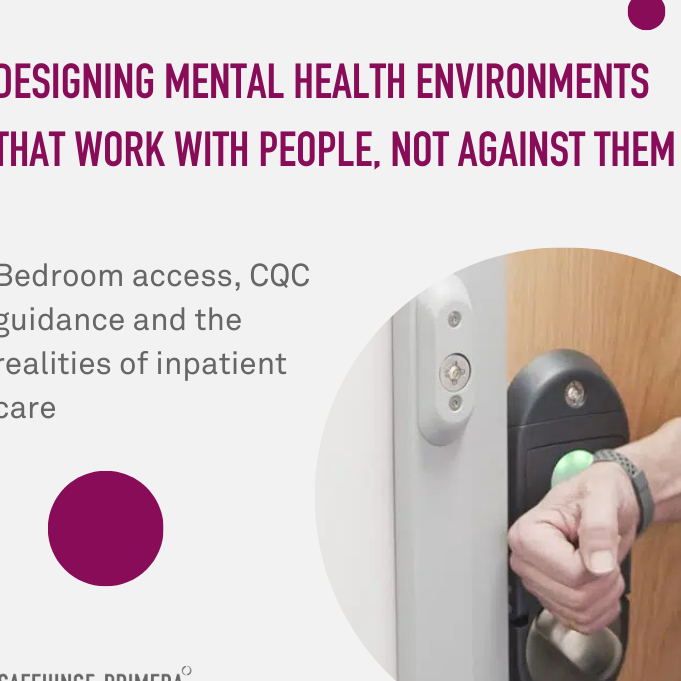
Meet Doora, our mobile demonstration vehicle, fully fitted with a full door ligature alarm, anti barricade doorset, and en suite door. She has become a familiar sight at trusts across the country, giving estates teams the chance to see exactly what they are considering, up close and in context.
Crucially, Doora allows clinicians to get hands on with the equipment on their own doorstep. They can see how the doors operate, ask questions, and share honest feedback based on real use, not assumptions. That early involvement builds trust wide buy in and gives estates teams invaluable insight from the people who use these doors every day.
Doora can also arrive with our training manager, Lee, giving your teams practical training and confidence before anything reaches the ward. It means fewer surprises, safer transitions, and a smoother change process for everyone involved.
Trial it in your own environment
If you want real confidence and want to take Doora one step further, nothing beats seeing a solution perform on your own ward.
Trial doors allow you to test behaviour, robustness, and suitability over time, at your pace, and under real conditions. There is no pressure to roll anything out. The value is in the learning, not the commitment.
Get collaborative with design, specification and functionality
No two mental health wards are the same. Each has its own pressures, building constraints, clinical needs, and lived realities. That is why a collaborative approach matters. It allows solutions to be shaped around how your ward actually works, not how it looks on a drawing.
That collaboration can take many forms. It might mean working through installation challenges in older or listed buildings. It might mean spending time with clinical teams so they are confident and competent with new systems from day one. Or it might mean selecting finishes and details that soften the environment and support recovery, without compromising safety.
When design, specification and functionality are developed together, the result is not just a compliant doorset, it is one that fits seamlessly into the life of the ward.
One of the most practical ways we help reduce disruption is by installing on live wards.
This avoids the cost and complexity of decanting rooms, and prevents prolonged disruption across the wider ward. Care continues, routines remain intact, and safety improvements are delivered without pressing pause on patient care.
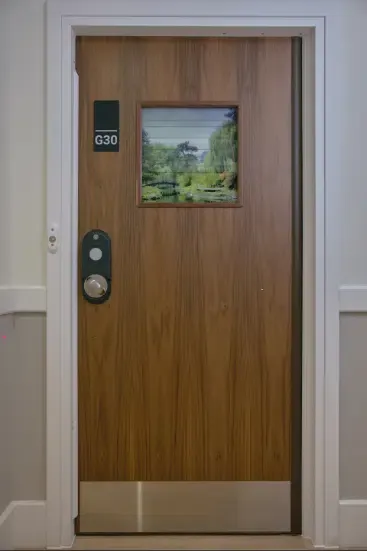
“Working with Safehinge Primera was refreshing. They really listened to our ideas and turned them into reality. We wanted doors that felt high quality and homely for our patients, while keeping everyone safe. The result is exactly what we hoped for.” – Mark Sycamore, Hospital Director, Nightingale Hospital
Choose a supplier who picks up when you call
Getting the right doors onto the ward is only the beginning. Once the installers leave and patients arrive, that is when your supplier should be at their most responsive.
In mental health environments, issues cannot wait. Small problems left unresolved can quickly become safety risks. That is why reactive support matters, and why proactive support matters even more. The best suppliers do not just respond when something breaks, they work to prevent issues before they escalate.
One way to sense check this is by looking at how existing customers rate their experience. Net Promoter Score and Customer Satisfaction scores combine response times with real feedback from people using the products day in, day out.

Our current Net Promoter Score is 77. While this is considered world class, we do not share it to celebrate ourselves. We share it because it reflects the trust customers place in us, and because it holds us accountable to keep improving.
The same applies to Customer Satisfaction. Our CSAT score currently sits at 95% percent, based on direct feedback from customers actively using our products in live environments.
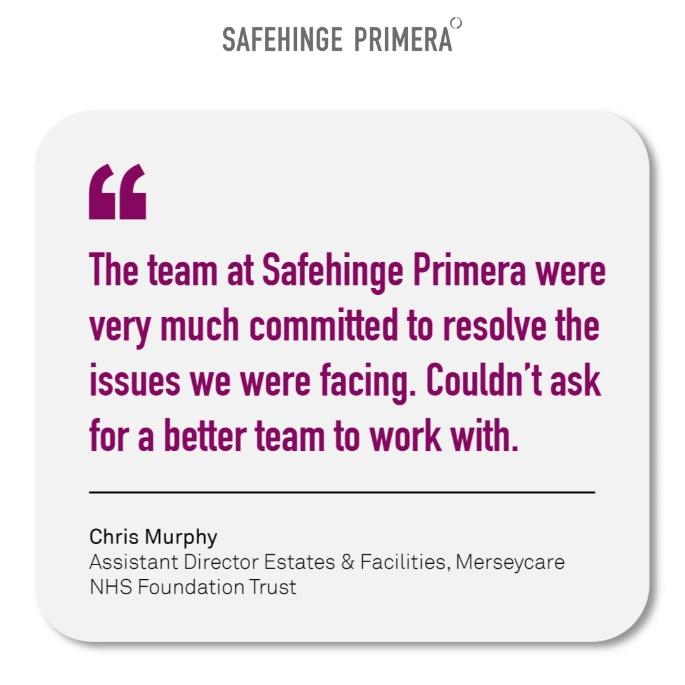
These numbers matter because behind them are estates teams, clinicians, and patients who rely on doors to work as they should, every single day.
Choose a supplier who fixes problems before they happen
Reactive support will always have a place. But the real difference is made when issues are addressed before they escalate into safety risks, operational disruption, or staff frustration.
A proactive supplier creates space to solve small problems early, while they are still easy to fix.
That starts with regular review calls and planned service inspections. These give estates teams a structured way to feed back the day to day issues coming from wards, whether that is minor snagging, training gaps, or early signs of wear on hardware. It allows patterns to be spotted, not just individual faults, and action to be taken before problems become embedded.
A good example of this approach is the quality improvement work carried out with Mersey Care.
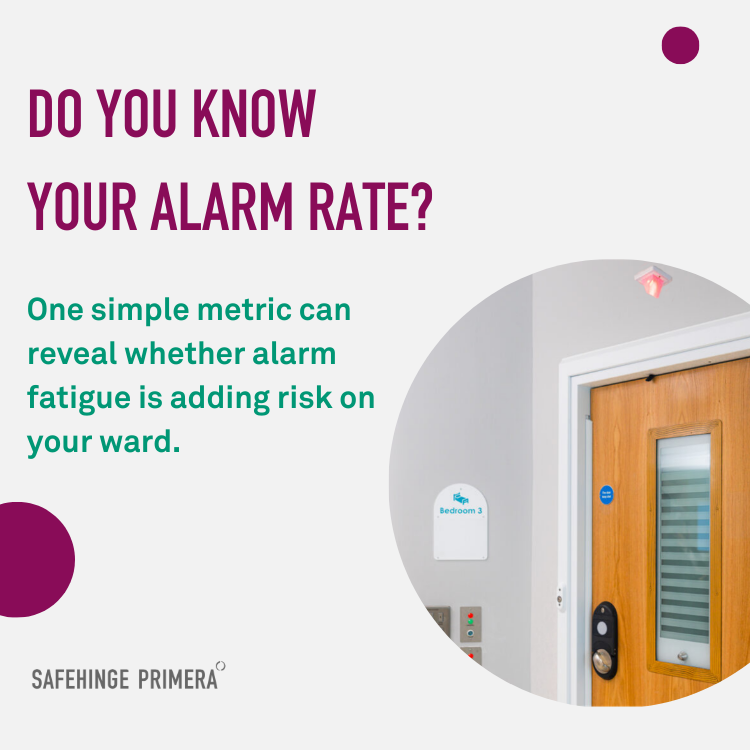
The trust was experiencing significant door alarm fatigue caused by frequent false activations. Rather than waiting for incidents or complaints to escalate, the issue was identified through ongoing feedback from the trust and proactive monitoring of the door alarm dashboard. What emerged was a clear risk, not just to staff workload, but to confidence in the system itself.
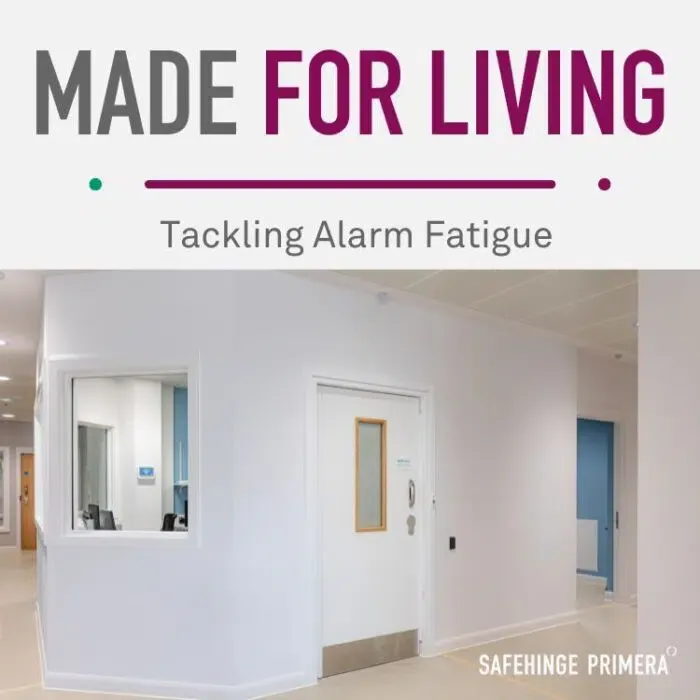
Working closely with Mersey Care teams, we focused on understanding how the doors were being used in practice. Alarm sensitivity was adjusted, staff were retrained where needed, and we worked alongside Pinpoint to ensure technical issues were identified and resolved rather than passed between organisations.
The result was a reduction in alarms from more than 600 per month to just 6.
This is what genuinely makes the grass greener for trusts. Not just a product change, but a supplier who works alongside you to reduce the risks and friction of switching, while putting the foundations in place for a relationship that continues to add value over time.
The grass is greener, and getting there is simpler than it feels
Switching doorset provider often feels risky, but for many trusts the fear of change is greater than the reality. When clinicians are involved early, disruption is minimised, and problems are solved before they escalate, the benefits are felt quickly, calmer wards, fewer issues, and more time for care.
The greener grass is not about a single product. It is about choosing the right partner to help you get there.
If you want:
Fewer problems.
Calmer wards.
More time for care.
Less firefighting.
Let’s have a chat about your current challenges. No pressure, just a practical conversation about what could work better for your wards.
Latest news
Discover our latest articles and insights.